

What Is Sedation Dentistry for Children and Is It Safe?
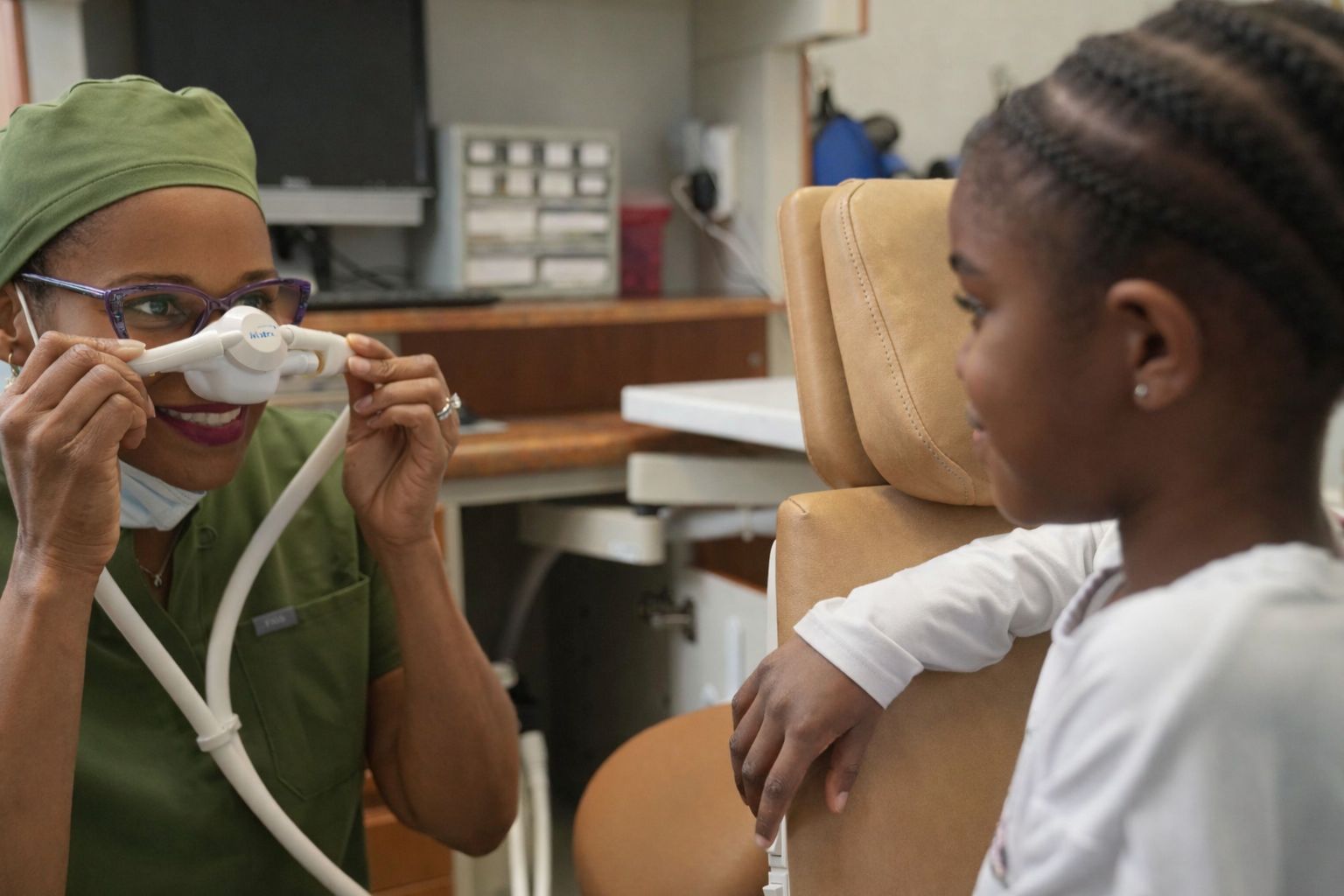
Sedation dentistry for children uses medication to help a child feel calm, relaxed and comfortable during dental treatment. When provided by a trained pediatric dental team and used in accordance with established safety guidelines, sedation can be a safe and helpful option. It is not a last resort or a sign that something is wrong. For children with dental anxiety, sensory sensitivities or treatment needs that require more time in the chair, sedation can make it easier to complete necessary care in a calm, supportive way. Understanding the available options can help you make a confident decision about what is best for your child. At University Pediatric Dentistry, Dr. Funny brings over 18 years of experience helping children in the Charlotte area receive the care they need in an environment built around their comfort. Our office is designed with anxious and sensory-sensitive children in mind, from adjustable lighting and private

How a Sensory-Friendly Dental Office Can Help Children With Special Needs
Getting a child with sensory needs through a routine dental visit can feel like navigating a minefield of bright lights, loud drills, unfamiliar textures, and a stranger’s hands in their mouth. For a child with autism, sensory processing differences, or another special healthcare need, a standard dental office can turn a simple cleaning into a genuinely distressing experience for the whole family, and many parents put off appointments entirely rather than face another meltdown in the reception area. At University Pediatric Dentistry, we built our special needs dentistry approach around the idea that the environment should adapt to the child, not the other way around. Dr. Funny and our team use private treatment rooms, adjustable lighting, and a slower pace so children who feel overwhelmed by typical clinical settings have a real chance to relax and cooperate. What Makes an Office Sensory-Friendly A sensory-friendly dental office is designed around the
Signs Your Child May Have a Tongue-Tie or Lip-Tie
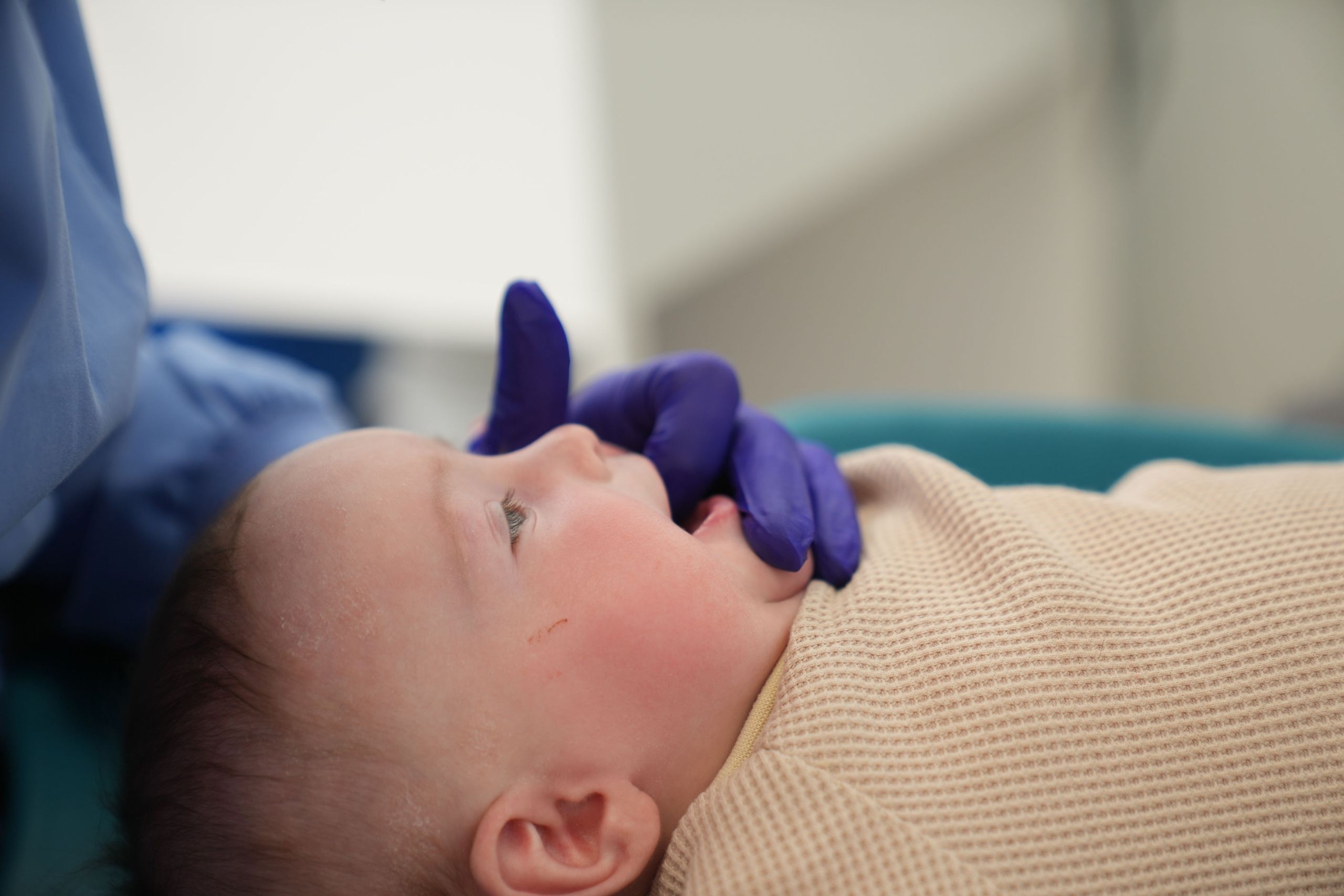
A tongue-tie or lip-tie is not always obvious, but the signs are often present in how your baby feeds, how your toddler speaks or how your older child chews and breathes. These are conditions where a small band of tissue restricts the normal movement of the tongue or upper lip. While they vary widely in severity, they can affect a child’s development in real and meaningful ways. If something has felt off and you have not been able to put your finger on it, a tongue-tie or lip-tie may be worth looking into. At University Pediatric Dentistry, Dr. Funny brings years of experience evaluating and treating tongue-ties and lip-ties in children across the Charlotte area. Frenectomies are among the most sought-after services at our practice, and Dr. Funny takes a careful, individualized approach to every assessment. Getting the right evaluation early can make a meaningful difference in how smoothly your

What to Expect at Your Child’s First Dental Visit
Some parents walk into their child’s first dental appointment expecting a scaled down version of their own visit, complete with a full exam and a stern conversation about flossing. What actually happens looks nothing like that, and knowing the difference ahead of time can change how the whole appointment goes for both of you. At University Pediatric Dentistry, Dr. Funny and the team built your child’s first dental visit around a simple idea, the appointment should adjust to the child in front of them rather than follow the same script every time. Families across Charlotte are finding that this small shift changes how kids feel about every visit that follows. Why Your Tone Matters More Than Preparation Most first visit advice focuses on what parents should bring or read beforehand, a stuffed animal, a picture book, an episode of a children’s show. Those things can help, but they are not

Therapeutic Pulpotomy vs. Indirect Pulp Cap: What Parents Should Know About the Two Types of Pulp Therapy for Baby Teeth
When your child’s dentist mentions pulp therapy, it is natural to feel a wave of worry. The good news is that pulp therapy is a routine way to save a baby tooth when decay is close to the nerve. Two common approaches, indirect pulp capping and therapeutic pulpotomy, both aim to protect the tooth and keep your child comfortable, but they are used in different situations depending on how far the decay has progressed. AtUniversity Pediatric Dentistry, we know parents want to understand their child’s treatment before agreeing to it. Below, we will walk through what indirect pulp capping and therapeutic pulpotomy involve, how Dr. Funny decides which one a tooth needs, and what you can expect during and after each procedure. What Is Indirect Pulp Capping? Indirect pulp capping is used when a cavity sits close enough to the tooth’s root that removing every bit of decay could expose
How Do Dentists Decide Between Fillings and Crowns for Kids’ Cavities?
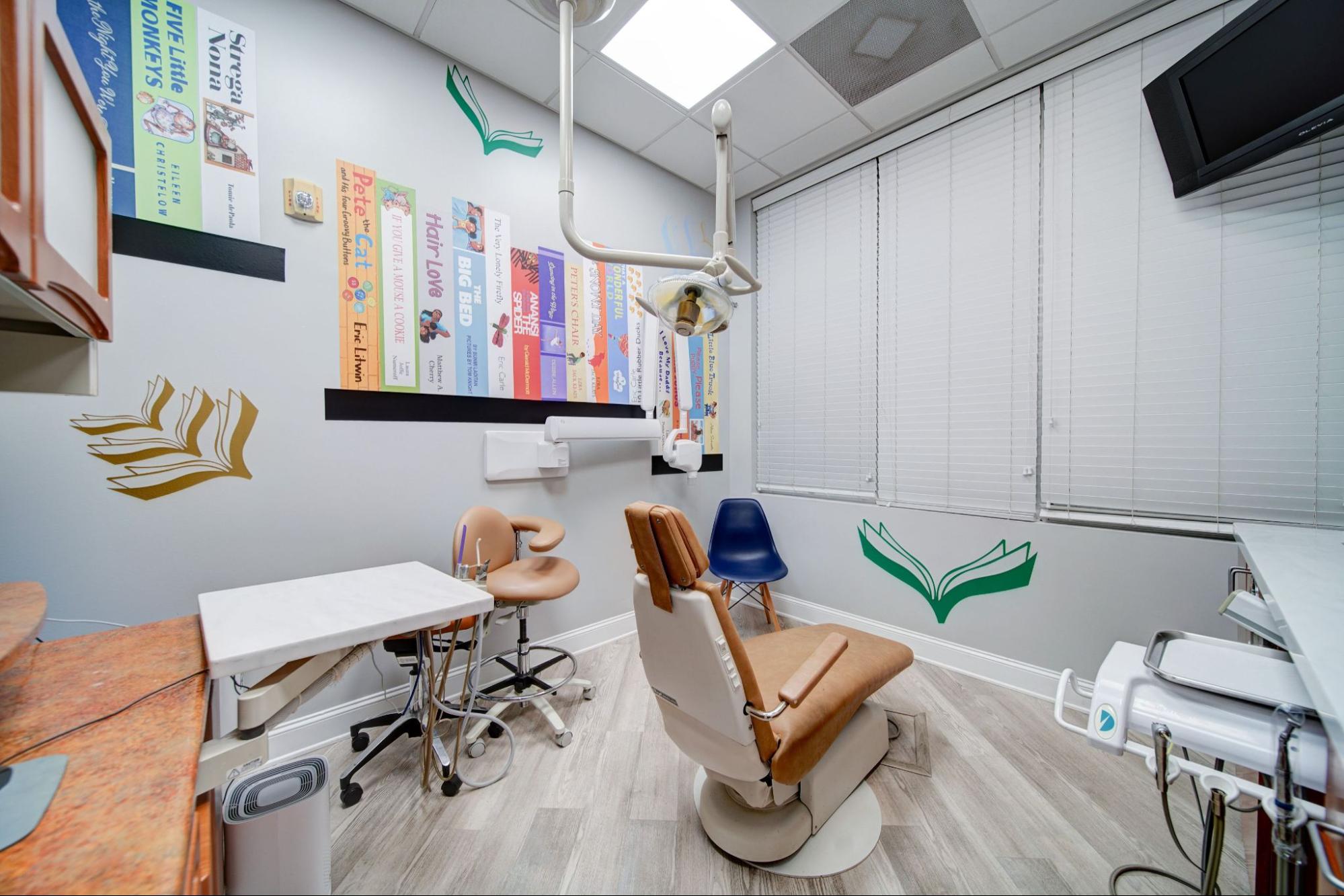
Your child’s dentist just found a cavity, and now they’re deciding what treat is most appropriate: a filling or a crown. For many parents, these two treatments sound interchangeable, but they serve very different purposes depending on how advanced the decay is and which tooth is involved. The right choice can protect your child’s smile for years to come, and understanding the difference makes navigating that conversation with your dentist a whole lot easier. At University Pediatric Dentistry in Charlotte, NC, Dr. Funny and her team approach every cavity with a thorough evaluation before recommending any treatment. With over 18 years of experience caring for children’s smiles, Dr. Funny tailors restorative and preventive services to each child’s unique needs, balancing long-term oral health with comfort and function. Families across the Charlotte area trust our office to make those decisions thoughtfully and transparently. Whether your child needs a simple filling or