

When your child’s dentist mentions pulp therapy, it is natural to feel a wave of worry. The good news is that pulp therapy is a routine way to save a baby tooth when decay is close to the nerve. Two common approaches, indirect pulp capping and therapeutic pulpotomy, both aim to protect the tooth and keep your child comfortable, but they are used in different situations depending on how far the decay has progressed.
AtUniversity Pediatric Dentistry, we know parents want to understand their child’s treatment before agreeing to it. Below, we will walk through what indirect pulp capping and therapeutic pulpotomy involve, how Dr. Funny decides which one a tooth needs, and what you can expect during and after each procedure.
What Is Indirect Pulp Capping?
Indirect pulp capping is used when a cavity sits close enough to the tooth’s root that removing every bit of decay could expose the nerve. Instead of taking that risk, Dr. Funny first places a medicated material directly over the remaining decay, then covers it with a protective base before restoring the tooth. This approach protects the nerve without disturbing it.
Once the base is in place, the tooth is restored, usually with a filling or a crown, depending on how much of the tooth’s structure was affected. This method preserves as much of the natural tooth as possible while still treating the decay. According to theAmerican Academy of Pediatric Dentistry, indirect pulp treatment has shown strong long-term success rates when used on teeth with reversible pulp irritation.
What Is a Therapeutic Pulpotomy?
A therapeutic pulpotomy is needed when more of the tooth’s structure has been affected by decay, requiring more intervention than a cap alone can provide. During this procedure, Dr. Funny removes the affected pulp tissue from the crown of the tooth while leaving the healthy pulp in the roots undisturbed. A medicated material is then placed over what remains to support healing, and the tooth is typically capped with a stainless steel crown for lasting protection.
This procedure is more involved than indirect pulp capping, but it allows your child to keep the natural tooth in place until it falls out on its own, which supports healthy spacing for the permanent tooth underneath. Depending on the extent of the decay, othertreatment options for cavities may include a filling or crown to restore and protect the affected tooth.
How Dr. Funny Decides Which Treatment a Tooth Needs
Every child’s situation is different, and the choice between these two treatments comes down to a careful evaluation of the tooth. Dr. Funny relies on a combination of the following factors before recommending a treatment plan:
- Depth of the decay: X-rays help determine how close the cavity sits to the root and guide whether the nerve tissue can likely be preserved.
- Symptoms your child has reported: Ongoing pain, sensitivity, or swelling can indicate the nerve is more affected and may need a pulpotomy rather than a cap.
- Overall tooth health: Dr. Funny checks the surrounding gum tissue and root structure to confirm the tooth is a good candidate for either treatment.
Once these factors are reviewed together, your child’s treatment plan will fit their specific tooth and comfort level, the same careful approach we bring togeneral pediatric care at every visit.
What to Expect During Recovery
Most children recover from both procedures quickly, and baby teeth respond well to treatment when caught early. Mild tenderness around the area is common for a day or two, and it typically responds well to age-appropriate over-the-counter pain relief if your child’s pediatrician has approved its use.
You can help your child’s recovery along by keeping them on softer foods for the first day and reminding them to avoid biting directly on the treated tooth until any soreness fades. Gentle brushing near the area, paired with regular checkups, helps the tooth heal properly and stay protected for the months or years it has left before falling out naturally.
Protecting Your Child’s Smile With University Pediatric Dentistry
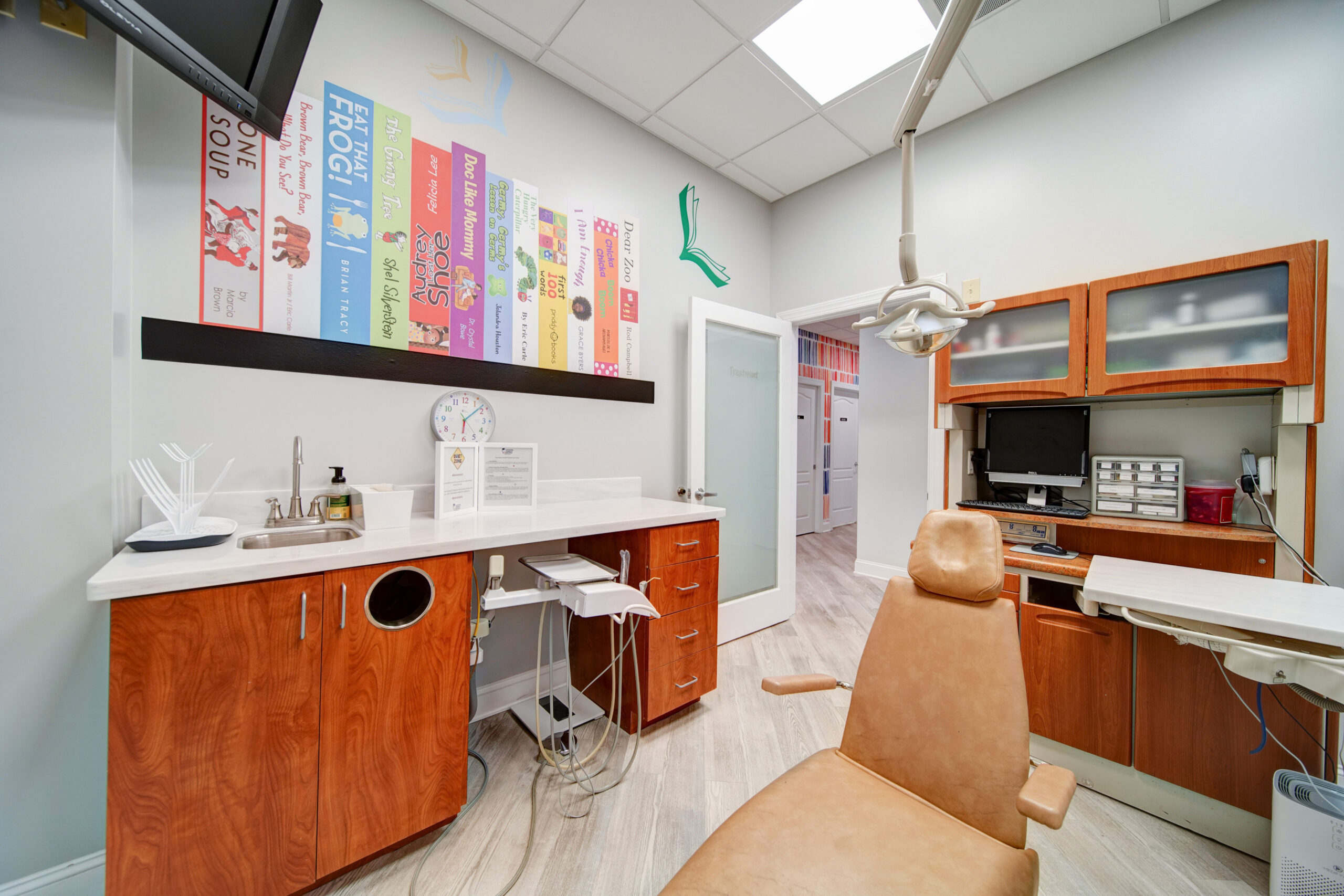
Our team is committed to making the experience calm and comfortable, no matter which treatment your child needs. Dr. Funny brings years of hands-on pediatric experience to every visit, and our office is designed with anxious and sensory-sensitive kids in mind, from private treatment rooms to a calm, adjustable environment that helps children feel at ease.
We understand that hearing your child needs pulp therapy can feel overwhelming, but early treatment is one of the best ways to protect a tooth and support your child’s long-term oral health. When you are ready to get your child scheduled, reach out through our contact form, and we will take it from there.